
Surprisingly, I’ve received a lot of direct messages inquiring about the audition process for becoming a scare actor. Many people are seeking advice, guidance, and detailed information on how to apply and what to expect. So, let’s explore the audition process for a scare attraction in more detail and discuss how you, as an actor can enhance your performance.
Every scream park has its own unique approach to casting performers. However, they will likely look for certain qualities in every audition: confidence, unpredictability, commitment, teamwork, creativity, the ability to handle intense situations, and enthusiasm.
As I recently shared with a fellow actor, I believe the most crucial aspect of scare acting is taking advantage of your unique attributes. This means having a deep understanding of yourself – your voice, your body, your characteristics – and recognising what you can bring to the performance. By honing in on these personal strengths, you can create a more authentic and compelling scare experience.
Developing a backstory for your character is an essential part of this process. By crafting a detailed history, motivations, and personality traits for your character, you can infuse your performance with depth and consistency. This backstory not only helps you embody the character more fully but also guides your interactions with guests, making each scare more personalised and impactful.
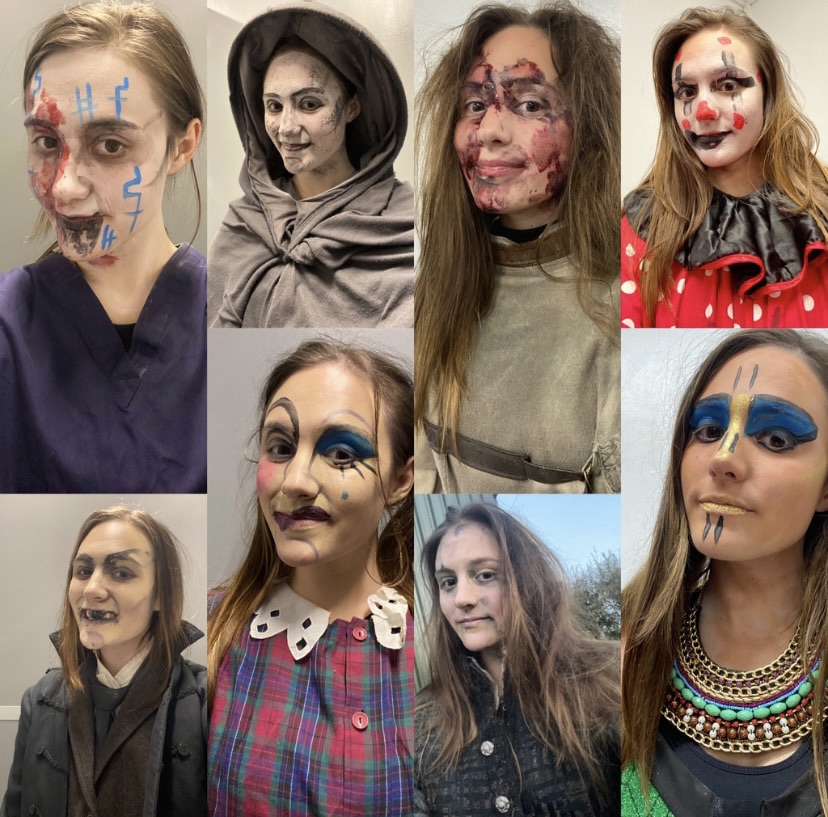
For instance, I worked in an attraction last year that was themed like a prison, my backstory that I had created for my character was a prisoner who had been driven to the edge of sanity by years of isolation. Positioned in a dimly lit corner, I began the performance on the floor, slowly rising to my feet as guests approached. My character, desperate for human interaction, had an unsettling curiosity towards the guests. I would get unnervingly close to them, invading their personal space, whispering directly into their ears. As they moved through the attraction, I would follow closely, my gaze locked onto theirs, creating a unsettling and immersive experience. This approach drew guests deeper into the narrative of the prison, making them feel as though they were truly being stalked by a deranged inmate.
(For those who have read my other blog post, this is Fortress – I was moved to a different section for this particular character)
Physicality
When it comes to physicality, make the most of your height, build, fitness levels, and flexibility, but always prioritise your safety. Don’t attempt stunts or movements that you’re not trained for; leave those to the professionals, like contortionists, dancers, and gymnasts. There are plenty of other effective ways to use your body to scare without risking injury.
Physicality in scare acting involves more than just movement – it’s about using your entire body to evoke fear and suspense. This includes how you walk, stand, gesture, and facial expressions. Effective physicality also involves mastering spatial awareness – knowing how to approach your guests.
For instance, being 4’11” gives me an advantage. While my height might not be intimidating on its own, one effective approach I use is getting down on the floor and crawling towards guests. This unexpected movement from a lower vantage point adds an element of surprise and vulnerability, creating a more intense scare experience. It allows me to get closer to guests in a way that feels invasive and unnerving, heightening their sense of unease.
This role also requires stamina to sustain intense performances throughout the attraction’s operational hours. My outgoing personality and active nature allows me to incorporate sudden movements into my character followed by eerie stillness, demonstrating both energy and enthusiasm during auditions.

Vocal Range
Vocalisation is often overlooked in scare parks, but it’s a crucial aspect of performance. I know many outstanding actors and actresses who expertly use their voices to enhance their scares. Your voice can significantly influence your physical performance as well. If you have a loud voice, you can use it to assert authority and intimidate guests. Conversely, if you have a quieter, more subtle voice like mine, you can use that to your advantage too. While I don’t have a traditionally “scary voice,” I possess a unique vocal attribute that is equally unsettling. Over the years, if you’ve been lucky enough to hear it I’m very good at laughing like Catherine Tate’s character Grandma, which often lands me roles in settings like haunted hospitals.
Effective vocalisation requires control over tone and pitch. When incorporating my laugh into my performance, I focus on using dynamics effectively. From a distance, I laugh loudly to draw attention and unsettle guests. Up close, I switch to a whisper laugh directly in their ear for an intimate scare. If you’re not naturally loud, embrace whispering and growls as powerful tools. Additionally, I find that breathing softly in people’s ears or on their necks can be incredibly effective and satisfying, adding an extra layer of discomfort and fear.
Group Dynamics
If you’ve had the chance to read my previous blog titled “Life as a Scare Actor – Psychology Of Fear,” which I highly recommend if you haven’t already, I discuss my past experiences in various attractions. A recurring theme in my scare tactics involves working closely with fellow actors and actresses to maximise the effectiveness of our scares. Teamwork plays a vital role in this industry, benefiting both the guests and our behind-the-scenes operations. Communication and collaboration among colleagues are crucial. These skills demonstrate your ability to function effectively as part of a team while also showcasing your capability to work independently when needed.
If you’ve already worked in a scare attraction, you’re likely familiar with the presence of on-site attraction leaders who oversee actor safety and security. These leaders maintain direct communication with higher-ups to handle emergencies swiftly and effectively. This highlights the critical role of communication in our line of work.

Unfortunately, actors and actresses often encounter verbal and sometimes physical abuse from guests, requiring us to pause performances when faced with disrespectful behavior. While this job isn’t easy, it’s essential for the well-being of fellow performers to report any incidents – no matter how minor or significant – to attraction leaders. This ensures appropriate action such as escorting disruptive guests out or closely monitoring their behaviour.
I cannot emphasise enough how crucial it is to remain vigilant and alert in this industry. This awareness is also a quality that auditions often look for in potential scare actors.
Feedback
Openness to feedback is crucial for success in any audition, including scare actor roles. Embracing feedback demonstrates a willingness to grow, adapt, and refine your craft. Ultimately, incorporating feedback into your audition process empowers you to evolve as an actor and deliver compelling, authentic performances that leave a lasting impression.
In conclusion, the audition process for scare attractions provides a unique opportunity to showcase your creativity, courage, and professionalism. It’s a chance to master techniques, embodying characters that thrill and unsettle, utilising all available tools – from your voice and physicality to teamwork and adaptability. Each audition is a platform to demonstrate your unique talents and commitment to the craft.
Wishing all aspiring scare actors the best of luck during this fright-filled audition season! If anyone has any questions don’t hesitate to get in touch.
If you’re intrigued by the art of scare acting and want to delve deeper into advanced techniques and the psychology of fear, I encourage you to read my other blog post. I discuss in-depth strategies for creating immersive and chilling experiences as a scare actor. Understanding the psychology behind what makes people frightened and how to manipulate those emotions is crucial. It goes beyond just jumping out and yelling; it’s about timing, body language, and creating an atmosphere that gets under the skin of your audience. So, if you’re passionate about refining your scare skills and learning more about the intricate dynamics of fear, check out my blog post “Life as a Scare Actor – Psychology Of Fear” for valuable insights and techniques to elevate your performances.
 Freedom Wilson