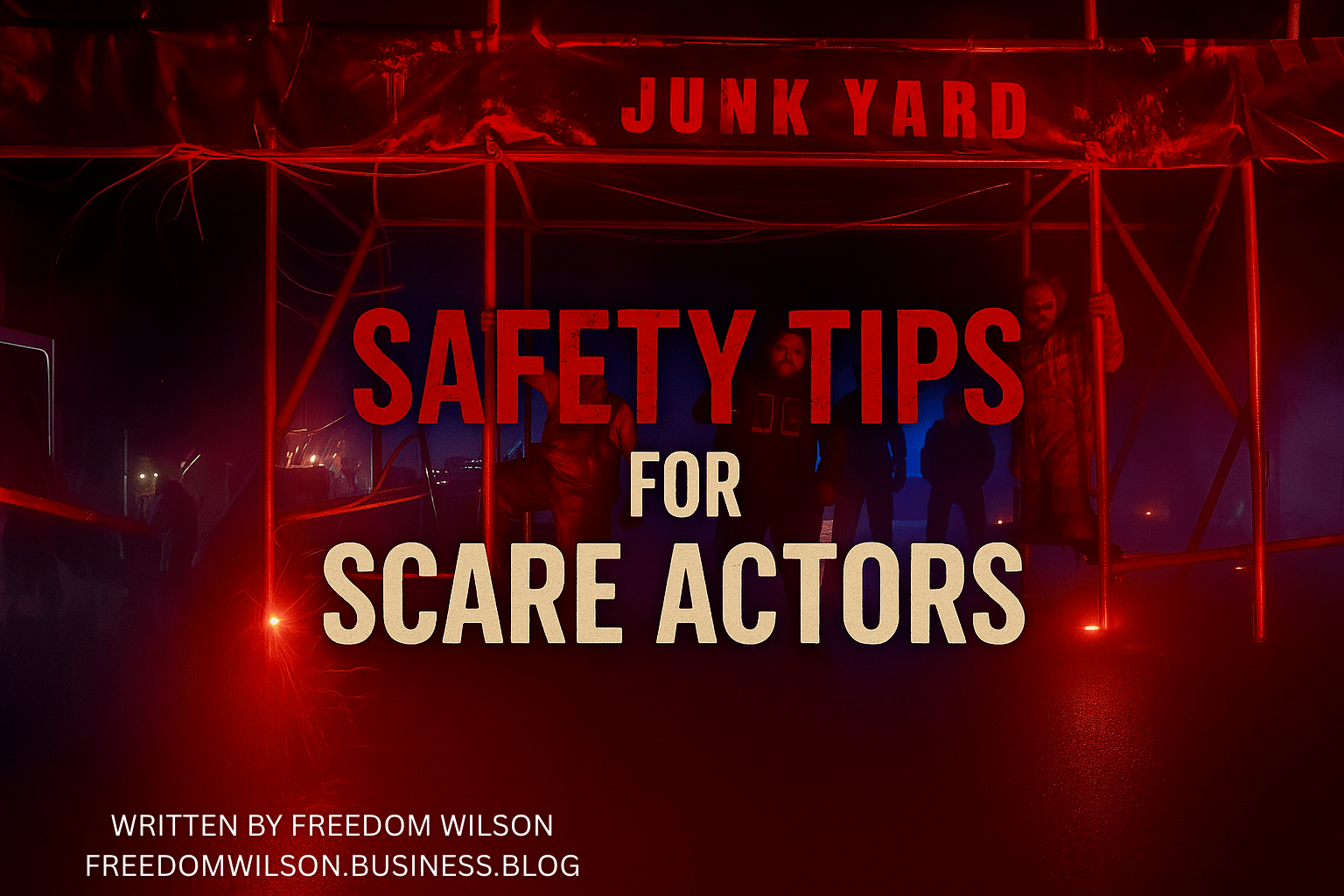
Working as a scare actor can be one of the most exciting seasonal jobs out there. You get to slip into a character, bring fear to life, and give guests unforgettable experiences. But behind the makeup and screams, safety should always come first! Scare acting comes with its unique challenges dark environments, unpredictable guests, and physical demands. Whether you’re a first-time actor or a seasoned scarer, here are key safety tips to keep in mind!
1. Know Your Space Before the Guests Arrive
Take advantage of rehearsals and walkthroughs to really learn your scare zone or maze. There’s nothing worse than being unsure of the layout once the guests arrive. Some attractions can be massive, and it’s surprisingly easy to get lost – even while you’re in character. I remember working in a mental asylum maze where I was chasing guests and pushing them toward corners. As much as I was focused on scaring, I also had to keep track of their safety and make sure no one got hurt in the process as the walls were close together. Before you start scaring make sure you memorise;
• Emergency exits and safe zones in case you or a guest needs quick help.
• Hazards like uneven flooring, props, or cords that could cause trips.
• Blind corners where collisions might happen.

2. Protect Your Body
Scaring can actually be way more physical than people expect – even if you’re just posted outside the maze yelling at guests. I’ve had plenty of friends lose their voices because they didn’t warm up before a shift. And as I’ve mentioned in my previous blog: don’t force your body to do things it’s not built for. If you’re not flexible, don’t attempt acrobatic tricks. If you’re not trained in stunts, don’t try them. You don’t need special training to be terrifying, you just need to know your strengths and use them to your advantage.
For example, I’m small, so I lean into that by working at lower levels and creeping around, then I play with different vocal tones until I find the one that fits my character. That’s what makes it work.
To help prevent injuries, you MUST:
• Stretch before your shift – sudden lunges or jumps can strain muscles if you’re not warmed up.
• Wear supportive shoes with good grip (even if they’re hidden under your costume).
• Stay hydrated and take breaks – fog machines, heat, and heavy costumes can cause dehydration or overheating.

3. Respect the Mask & Costume
Masks, prosthetics, and heavy makeup are all part of the scare-actor experience, but they come with real challenges. They can restrict your vision, limit your breathing, and sometimes even put you at risk if they don’t fit properly.
I remember working in The Junkyard with a mask that made me sweat so much it actually hurt my face. Some of the masks I tried didn’t even fit right, and my costume was so oversized I had to alter the length myself just to stop tripping over it. Safety first – no scare is worth a fall.
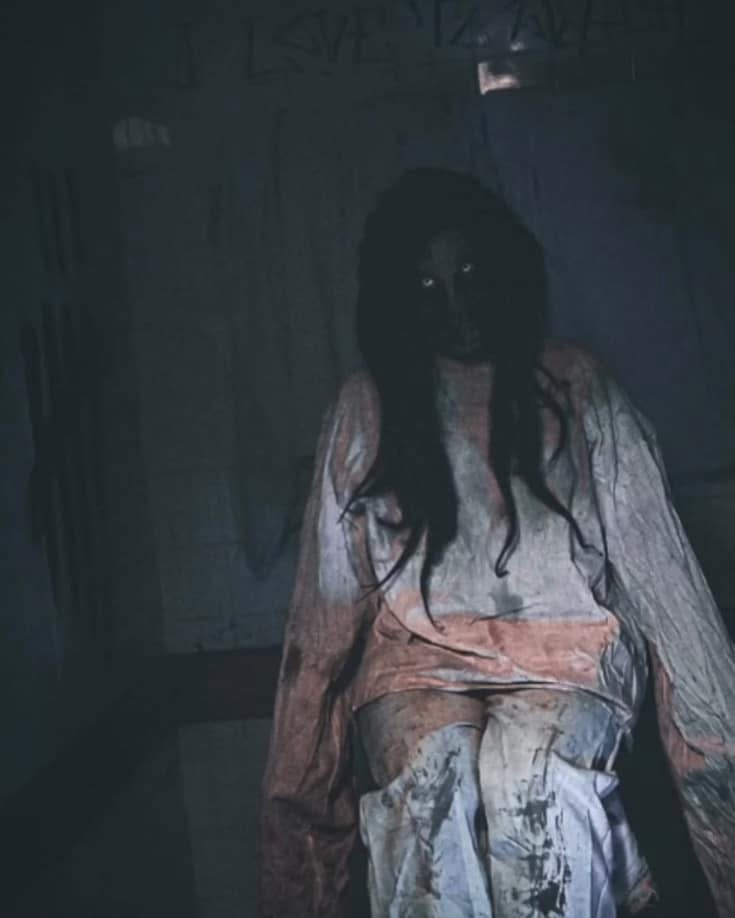
Another year, I was cast in a mental hospital scene where my role had me sitting in a chair for nearly four hours straight. The mask I wore cut off so much of my vision that I couldn’t see guests or even my fellow actors. In that situation, I made the call to stay completely still. If there had been an emergency, moving around blindly could’ve made things worse, so holding my ground was the safest option. Always:
• Test your costume in the dark before opening night.
• Speak up if you can’t see or move safely – safety always comes before aesthetics.
• Keep your mask clean to avoid skin irritation or breathing issues.
4. Handle Guests Safely
Most visitors will play along, but adrenaline can make people unpredictable. Some guests lash out by accident – swinging their arms or running into you without meaning to. Others, unfortunately, will test boundaries on purpose. I’ve had people deliberately touch scare actors because they thought it was “funny,” or shove phones in our faces to film right up close. It might be a game for them, but for us it can be distracting, uncomfortable, and even dangerous.
That’s why it’s so important to know how to handle these situations. Always keep a safe distance where you can still scare without being within reach. If guests get too close, use body language and positioning to create space rather than engaging. And if someone crosses the line, whether it’s physical contact or aggressive filming – don’t try to handle it alone. Signal security or staff straight away.
• Never touch guests (unless the attraction allows safe, controlled contact).
• Watch for defensive reactions – some guests swing when startled. Learn to scare from the side or behind barriers.
• Signal staff immediately if a guest becomes aggressive.

5. Stay in Character, Stay Aware
While it’s tempting to stay “in the moment,” don’t let character block your awareness!
• Use your peripheral vision – keep track of where guests are moving.
• Stay mindful of your exits in case someone rushes or runs toward you.
• Communicate with fellow actors and your team leader – a simple gesture or code word can alert each other to unsafe situations.
6. Prioritize Mental Health
Scare acting can be draining, both physically and mentally.
• Take time after your shift to decompress — screaming and jumping for hours is stressful.
• Set boundaries between “character mode” and your personal life.
• Don’t hesitate to check in with the team leaders, the events staff if the job feels overwhelming.
Scare actors are the soul of haunted attractions – without you, the screams don’t happen. By staying safe, looking out for one another, and respecting your limits, you’ll not only survive the season but also enjoy it to the fullest!
Because at the end of the night, the goal is simple: scare hard, but go home safe.
 Freedom Wilson