The Characteristics of Scaring: A Guide for Scare Actors

One of the best parts of working in haunted attractions is the freedom to step into different kinds of characters. Each role has its own way of getting under the audience’s skin. But for me, I’ve always gravitated toward the animalistic style of scaring – it’s raw, unpredictable, and deeply unsettling for guests who can’t quite make sense of what they’re seeing.

Here’s a breakdown of the core scare archetypes and the techniques I use to bring fear to life, with a little insight into how I personally approach them.

The Core Archetypes of Fear

1. The Aggressor

Aggressors thrive on anger and intimidation. These characters command attention through sharp body language and threatening facial expressions. It’s about taking up space, dominating the environment, and making guests feel like prey.

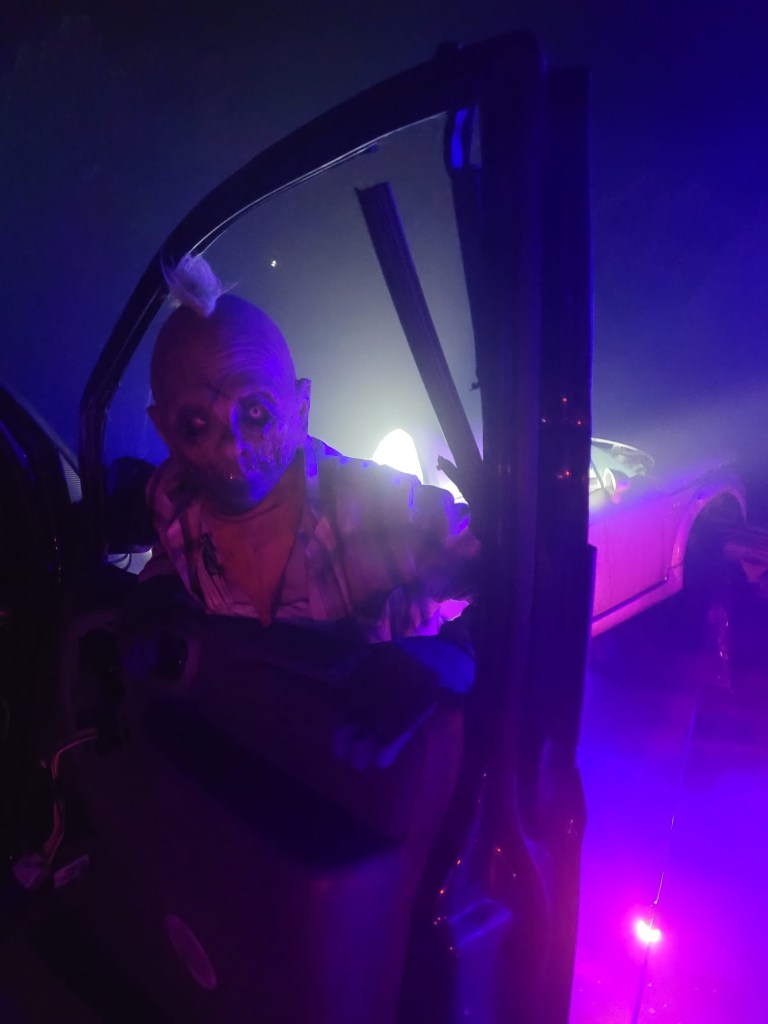
I remember one performance in a junkyard scene where I had the whole space to work with. Using teamwork, we covered every corner so guests felt completely surrounded. My movements were fast, sharp, and aggressive – sometimes hunching low to the ground to dart around unexpectedly. No one ever anticipates a smaller performer moving with that kind of speed, and it always caught them off guard.

2. The Animalistic (My Favourite)

This is where I come alive. The animalistic character sheds its humanity and moves in ways that are jagged, sudden, and alien. I love distorting my body and moving in bursts – fast, unpredictable, almost insect-like at times. Guests don’t know what to make of me, and that confusion alone is terrifying. It’s less about words and more about physical presence, noises, and movements that feel wrong in the best way possible.

3. The Victim

Victims bring horror through empathy. They’re not traditional monsters – they’re broken, wounded, and trapped, forcing guests to feel uneasy simply by witnessing them.

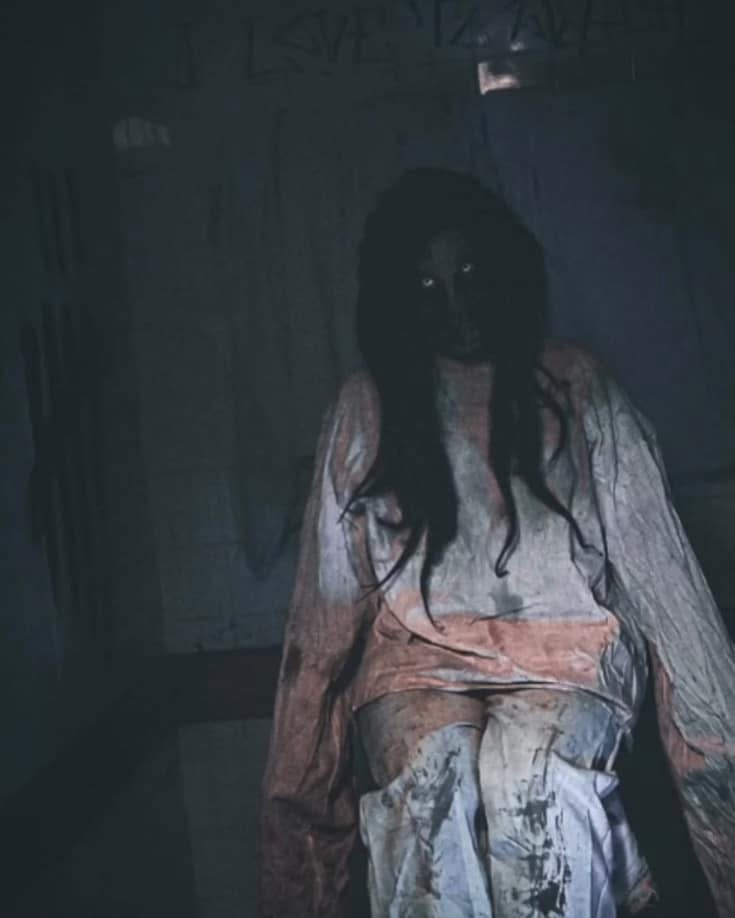
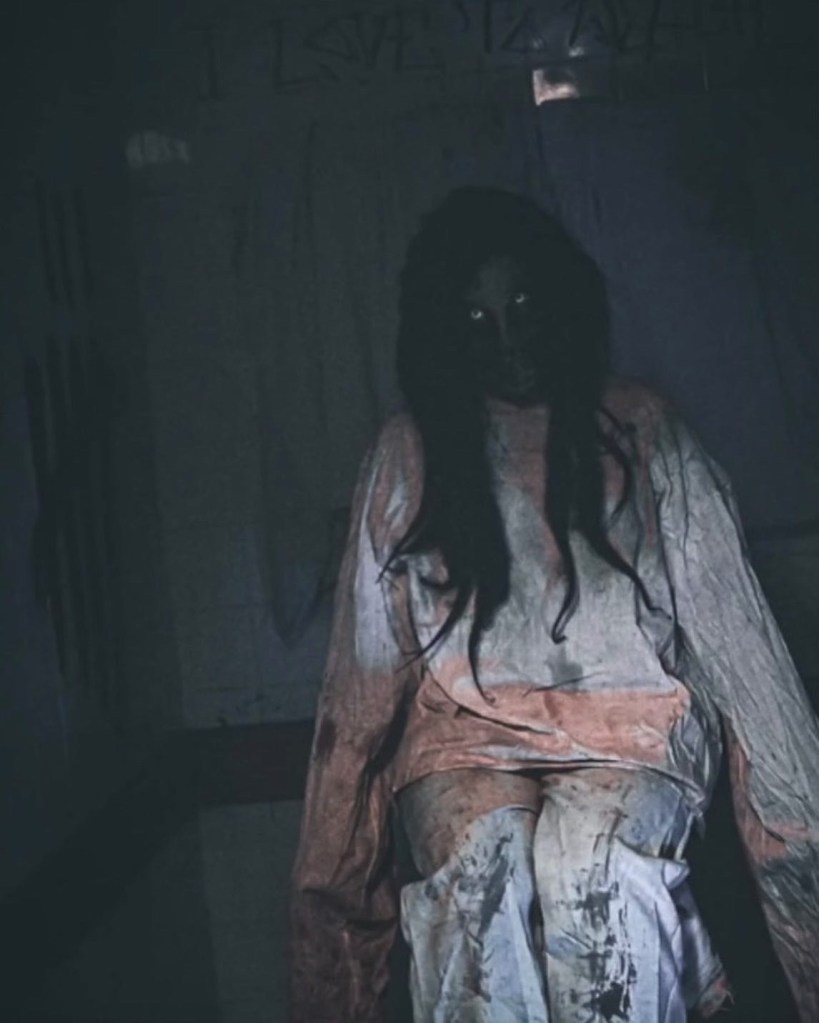
One of my most memorable victim roles was inside a prison cell. I played a character who had been isolated for years, someone who had never truly understood other people and was desperate to study them. Sitting slumped in the corner, I would remain still until guests entered, then slowly come to life – tracking their movements with unblinking attention. My whispers and shallow breaths weren’t cries for help, but curiosities, as though I was fascinated by these strangers who had stepped into my world.

The unsettling part was the intent: this prisoner didn’t want escape, freedom, or even rescue. They just wanted them. And in that silence, guests often realized they were being watched not with fear, but with a disturbing kind of hunger. That helplessness can be more haunting than any monster’s roar.

4. Impacts

Impact scares are those short, sharp shocks that jolt people to their core. Appear suddenly, create chaos, then disappear before they can recover. Even as an animalistic character, I’ll use impact moments like a predator striking and retreating.

Scaring Techniques I Swear By

• Anticipation: The best scares happen when guests don’t know when I’ll move. Silence and stillness make my sudden movements hit harder.

• Levels: I shift between stillness and explosive energy. If you’re erratic all the time, the effect wears off – you need contrast to keep guests on edge. In one prison scene, I would shadow the group with slow, deliberate movements, letting the tension build. But as soon as they reached the exit, I’d break into a sudden sprint toward them. That shift in pace always sent them screaming out of the attraction.

• Heights: Some of my most effective setups come from crouching low or contorting on the ground. Guests rarely expect a scare to come from below, and that unpredictability makes them vulnerable. For men, I’ll often target the lower body (genitals), for women, sudden movements toward the neck or chest can be just as startling. People walk in expecting threats at eye level – but when the scare comes from the floor, it completely throws them off.

• Stalking & Blind-Siding: I love letting guests feel my presence before they see me. A scrape, a hiss, a shuffle, banging the walls just out of sight – it primes their nerves for when I finally strike.

• Vocal Noises: Words don’t really fit my style – I rely more on guttural, distorted, or animal-like sounds. One of my go-tos is a harsh, witch-like cackle that instantly puts guests on edge. The less human I sound, the more unsettled they become, because it strips away any sense of familiarity and makes the encounter feel unnatural

• Improvisation: Even if I don’t speak much, I improvise through movement. Sometimes I’ll mimic a guest’s walk, or repeat their noises back in a distorted way – it unnerves them fast.

Every character has power – aggressors dominate, victims disturb, impacts shock but for me, the animalistic archetype hits the hardest. It lets me shed my humanity and become something uncanny, unpredictable, and primal. Guests don’t just see a performer – they see something they can’t understand, and that’s what truly terrifies them.

At the end of the night, it’s not the props, costumes, or special effects that guests remember most – it’s the performers who bring fear to life. And when I’m in animalistic mode, I make sure they’ll never forget me.
Safety Tips for Scare Actors in Haunted Attractions & Scare Parks

Working as a scare actor can be one of the most exciting seasonal jobs out there. You get to slip into a character, bring fear to life, and give guests unforgettable experiences. But behind the makeup and screams, safety should always come first! Scare acting comes with its unique challenges dark environments, unpredictable guests, and physical demands. Whether you’re a first-time actor or a seasoned scarer, here are key safety tips to keep in mind!

1. Know Your Space Before the Guests Arrive

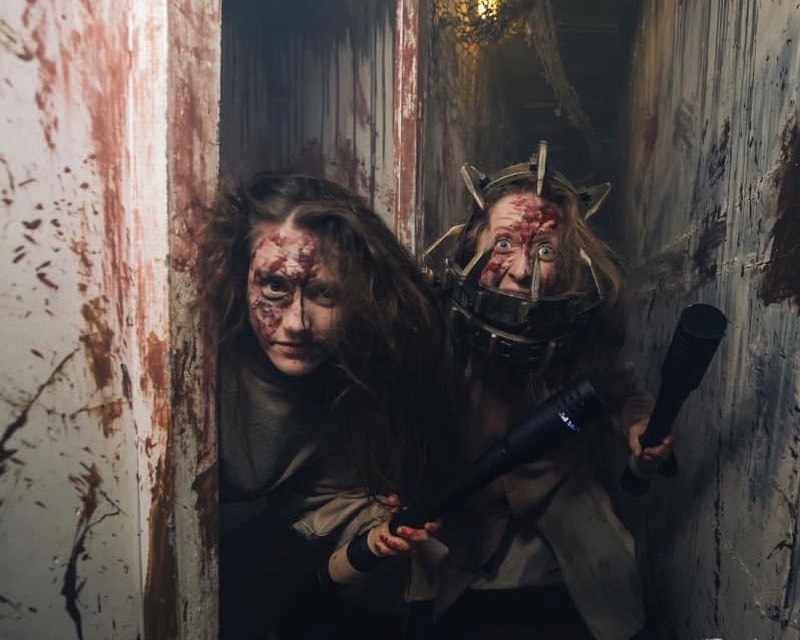
Take advantage of rehearsals and walkthroughs to really learn your scare zone or maze. There’s nothing worse than being unsure of the layout once the guests arrive. Some attractions can be massive, and it’s surprisingly easy to get lost – even while you’re in character. I remember working in a mental asylum maze where I was chasing guests and pushing them toward corners. As much as I was focused on scaring, I also had to keep track of their safety and make sure no one got hurt in the process as the walls were close together. Before you start scaring make sure you memorise;

• Emergency exits and safe zones in case you or a guest needs quick help.

• Hazards like uneven flooring, props, or cords that could cause trips.

• Blind corners where collisions might happen.

2. Protect Your Body

Scaring can actually be way more physical than people expect – even if you’re just posted outside the maze yelling at guests. I’ve had plenty of friends lose their voices because they didn’t warm up before a shift. And as I’ve mentioned in my previous blog: don’t force your body to do things it’s not built for. If you’re not flexible, don’t attempt acrobatic tricks. If you’re not trained in stunts, don’t try them. You don’t need special training to be terrifying, you just need to know your strengths and use them to your advantage.

For example, I’m small, so I lean into that by working at lower levels and creeping around, then I play with different vocal tones until I find the one that fits my character. That’s what makes it work.

To help prevent injuries, you MUST:

• Stretch before your shift – sudden lunges or jumps can strain muscles if you’re not warmed up.

• Wear supportive shoes with good grip (even if they’re hidden under your costume).

• Stay hydrated and take breaks – fog machines, heat, and heavy costumes can cause dehydration or overheating.

3. Respect the Mask & Costume

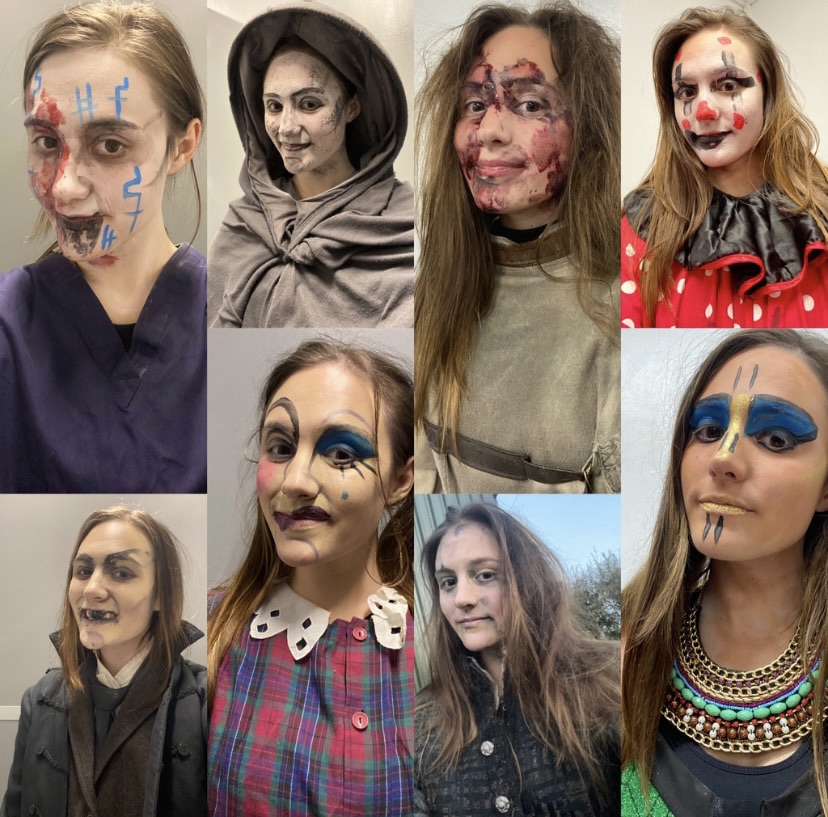
Masks, prosthetics, and heavy makeup are all part of the scare-actor experience, but they come with real challenges. They can restrict your vision, limit your breathing, and sometimes even put you at risk if they don’t fit properly.

I remember working in The Junkyard with a mask that made me sweat so much it actually hurt my face. Some of the masks I tried didn’t even fit right, and my costume was so oversized I had to alter the length myself just to stop tripping over it. Safety first – no scare is worth a fall.

Another year, I was cast in a mental hospital scene where my role had me sitting in a chair for nearly four hours straight. The mask I wore cut off so much of my vision that I couldn’t see guests or even my fellow actors. In that situation, I made the call to stay completely still. If there had been an emergency, moving around blindly could’ve made things worse, so holding my ground was the safest option. Always:

• Test your costume in the dark before opening night.

• Speak up if you can’t see or move safely – safety always comes before aesthetics.

• Keep your mask clean to avoid skin irritation or breathing issues.

4. Handle Guests Safely

Most visitors will play along, but adrenaline can make people unpredictable. Some guests lash out by accident – swinging their arms or running into you without meaning to. Others, unfortunately, will test boundaries on purpose. I’ve had people deliberately touch scare actors because they thought it was “funny,” or shove phones in our faces to film right up close. It might be a game for them, but for us it can be distracting, uncomfortable, and even dangerous.

That’s why it’s so important to know how to handle these situations. Always keep a safe distance where you can still scare without being within reach. If guests get too close, use body language and positioning to create space rather than engaging. And if someone crosses the line, whether it’s physical contact or aggressive filming – don’t try to handle it alone. Signal security or staff straight away.

• Never touch guests (unless the attraction allows safe, controlled contact).

• Watch for defensive reactions – some guests swing when startled. Learn to scare from the side or behind barriers.

• Signal staff immediately if a guest becomes aggressive.

5. Stay in Character, Stay Aware

While it’s tempting to stay “in the moment,” don’t let character block your awareness!

• Use your peripheral vision – keep track of where guests are moving.

• Stay mindful of your exits in case someone rushes or runs toward you.

• Communicate with fellow actors and your team leader – a simple gesture or code word can alert each other to unsafe situations.

6. Prioritize Mental Health

Scare acting can be draining, both physically and mentally.

• Take time after your shift to decompress — screaming and jumping for hours is stressful.

• Set boundaries between “character mode” and your personal life.

• Don’t hesitate to check in with the team leaders, the events staff if the job feels overwhelming.

Scare actors are the soul of haunted attractions – without you, the screams don’t happen. By staying safe, looking out for one another, and respecting your limits, you’ll not only survive the season but also enjoy it to the fullest!

Because at the end of the night, the goal is simple: scare hard, but go home safe.

Behind The Magic: A day in the life of a Christmas Elf

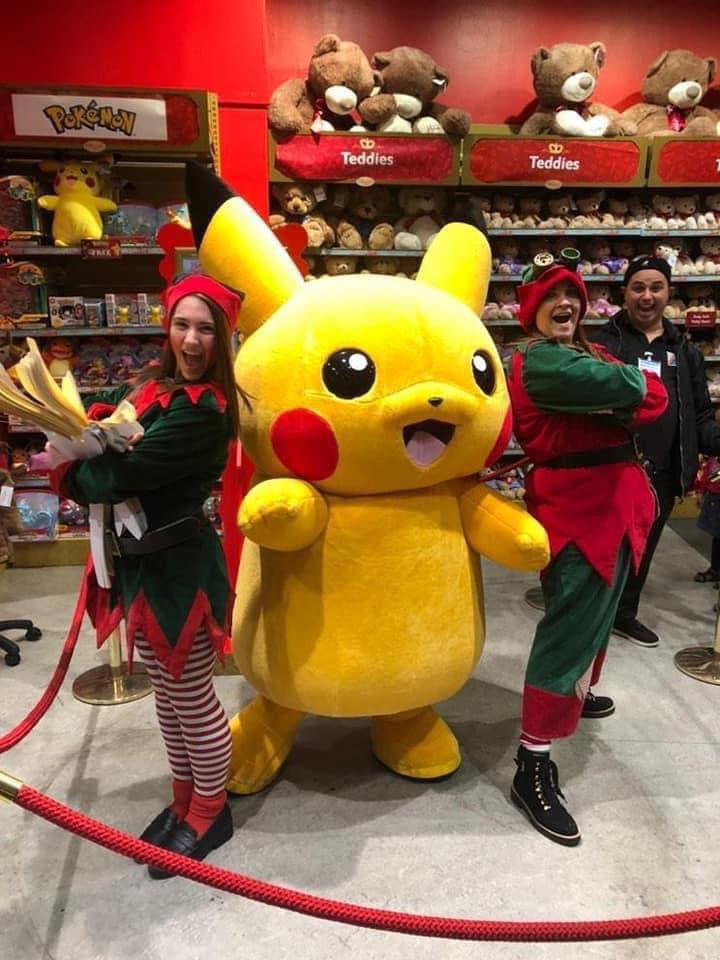
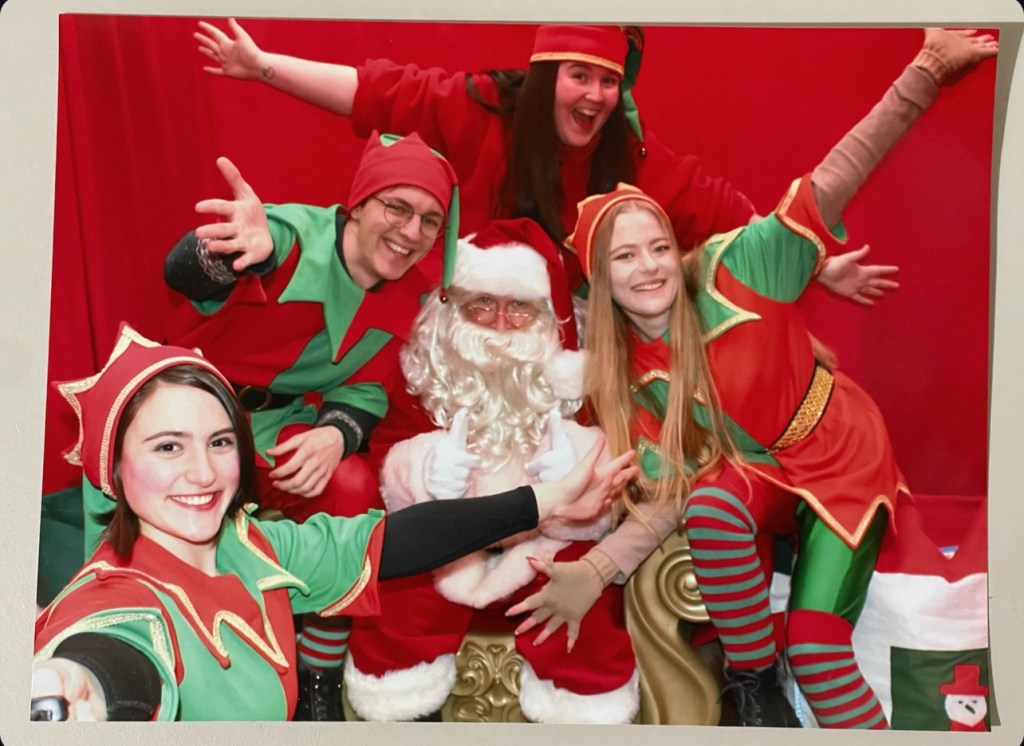
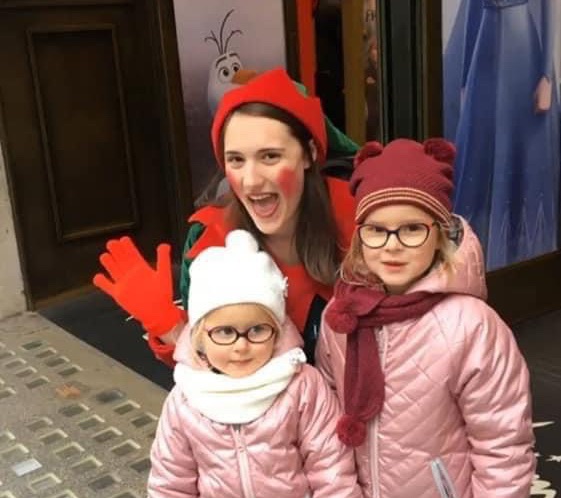
A memory I will hold close to my heart during the festive season was at my time working at Hamleys Toy Store, Regents Street. I noticed a girl standing alone, she was holding her teddy bear and very unhappy. As Starzia the Elf, I approached her and as I introduced myself, she wrapped her arms around me in the tightest hug. At that moment, I realised that as seasonal performers, especially Christmas Elves and Santa Claus, we bear a far greater responsibility than we often acknowledge. Our roles extend beyond joy and festive cheer; we have influence to transform and inspire the hearts of the next generation. In our hands lies the power to bring joy, nurture curiosity, and gently guide children, shaping their experiences and memories during the most magical time of the year. 

I’m Freedom and in this blog I’ll be sharing my personal experiences, insights, and a few behind-the-scenes stories from my time working as an elf at multiple types of Grottos.

What is Santa’s grotto?

Santa’s Grotto is a festive attraction set up during the holiday season, typically found in shopping centres, Christmas markets, farms, or community centres, where children can meet Santa Claus or Mrs Claus. The Grotto can alternate its design to create a magical atmosphere. Typical roles you’ll likely find includes Santa Claus, who listens to children’s Christmas wishes and poses for photos, and his elves, who assist by managing queues, distributing small gifts, and ensuring every child has a joyful and memorable visit. 

Sounds easy right?… So you think

A day in the life of an Elf/ Manager

Every day, regardless of your location, starts with a thorough inspection and preparation of the Grotto to welcome the first guest. This includes setting up the camera, that any tech or photo equipment is operational, the booking system, restocking presents into the sacks if needed. Once the Grotto is ready, elves and Santa will begin dressing into their costumes.

By following these steps, the team ensures that the Grotto is fully prepared to deliver a magical and memorable experience for every visitor.

Each day is unique and can be a memorable experience, but you’ll notice common patterns when it comes to children. There are those who are excited to meet Santa, those who argue that Santa isn’t real, and those who want to share their Christmas wishes. These requests can range from simple desires like toys to wishes for peace and happiness for their family. Listening to these requests often reveals the children’s personalities and aspirations.

I remember meeting a girl last year who wanted a camera for Christmas because she was passionate about photography and dreamed of becoming a photographer. Another child asked for a notebook and pen because she wants to be a writer. These interactions not only make each day special but also give us a glimpse into the hopes and dreams that each child holds.

On the other hand, some children may feel overwhelmed or anxious about meeting Santa. In these instances, the elves play a crucial role by gently reassuring them and offering comfort and encouragement. In situations such as these I would share a story about my first encounter with Santa, or a small distraction by talking about their day or what their plans are leading up to Christmas.

Often, this approach turns tears into smiles. The elves’ compassion and patience not only help the children feel at ease but also create unforgettable moments of connection and happiness and a friendship the kids will never forget with an elf.

Magical Moments

The best days for me were Monday mornings in early November when kids are in school. I stood by the grotto, watching a line of newborns to toddlers, all dressed as little elves, reindeer, or baby Santas. These moments were my favourite. The youngest baby I’ve met visiting Santa was just 3 days old. Believe it or not parents do book Santa visits before their babies are born and sometimes have to reschedule if the baby is overdue. We also had the crying babies who would not stay still for photos but they were adorable.

The most magical part of Christmas for me is witnessing the families who make it a tradition to gather together every year for their annual photo with Santa. It’s heartwarming to see the same faces return, year after year, often watching children grow up before my own eyes. Hearing parents share how their child has been coming since they were just a baby, now standing at 11 years old, fills my heart with joy. It’s not just about the photo, but the memories these families are creating – capturing the spirit of Christmas and holding onto moments that will be cherished for a lifetime.

Another moment I enjoy is when groups of women, out for a day of shopping with friends, spot Santa’s Grotto and decide they just have to drop by. It’s usually spontaneous and full of fun as they relive a bit of childhood magic, taking a few photos and sharing a laugh. It’s always great to see how the holiday spirit catches people off guard, reminding them that Christmas isn’t just for kids – it’s for anyone who enjoys a little festive fun!

Behind-the-scenes

Being a Christmas Grotto Manager comes with many behind-the-scenes challenges and stressful surprises, and don’t worry I have plenty of stories to share!

Managing Large Families

No matter where you work, you’ll always deal with large families during Christmas, even in tiny Grottos. The biggest challenge is working with the company camera, where families can pay for their photos afterward. As an elf, you need to have confidence and the ability to politely take charge. 

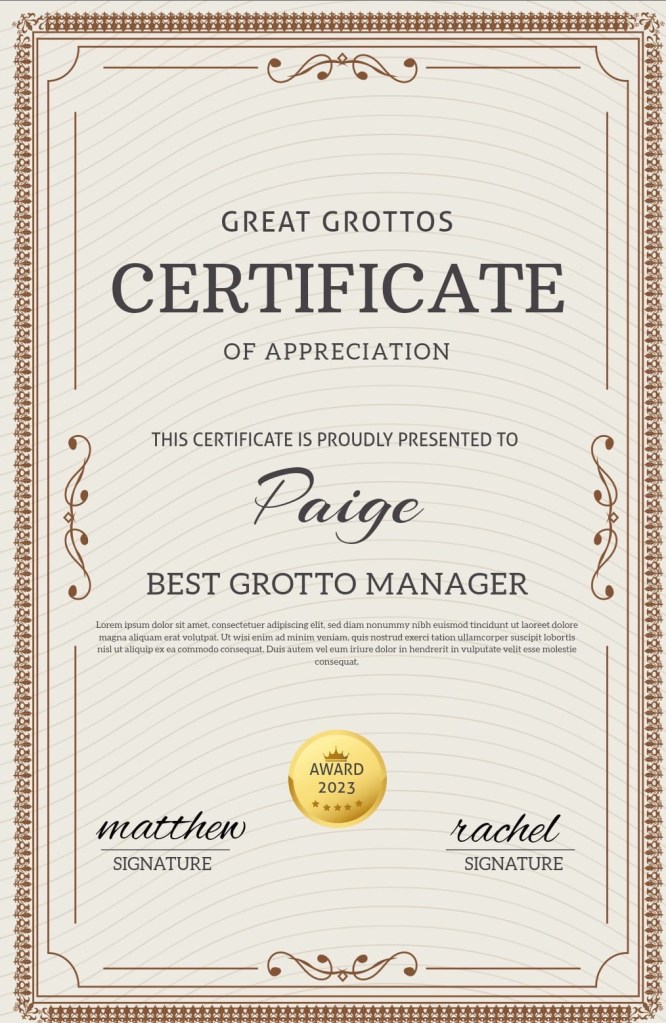
As a Grotto Manager, I’m very assertive and apply rules I believe are beneficial, learning from my past seasonal work experiences. In 2023, I laid out these ground rules; in the grotto, please limit families to two professional photos (unless it’s a baby), ask them to choose one combination for the camera, and remind them they can take unlimited photos on their phones to help speed up visits and avoid personalised photo requests.

Overall, to contend with situations such as this, it’s crucial to hire staff who cooperate with the management team. Last season, an employee took more than 2 photos per family, and once even proceeded to take 14 photos. I spent 30 minutes with a customer choosing multiple photos, causing a long line as she wanted the perfect photos of her children.

Customer Service Repetition 

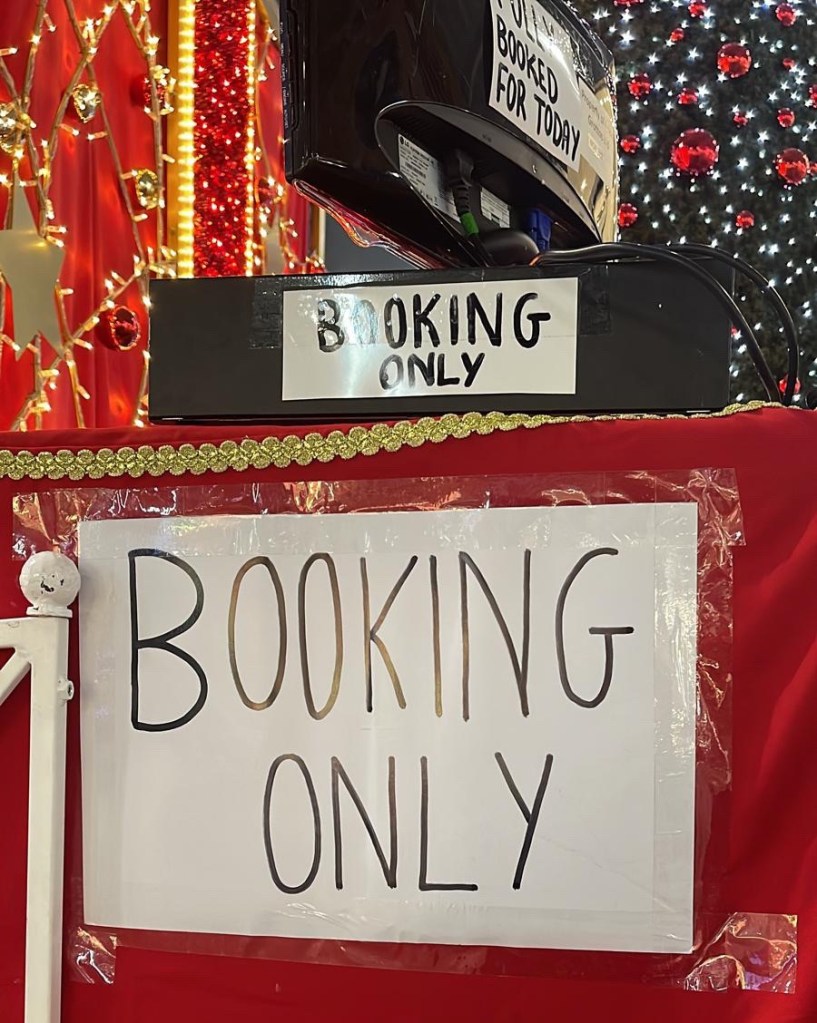
Working in customer service often means answering the same questions over and over, even when the answers are clearly displayed. For example, you might have a big sign saying “CARD ONLY,” yet customers will still ask, “Do you take cash?” The same goes for other common questions like, “Do you take walk-ins?” or “How much is it?” even though this information is posted everywhere.

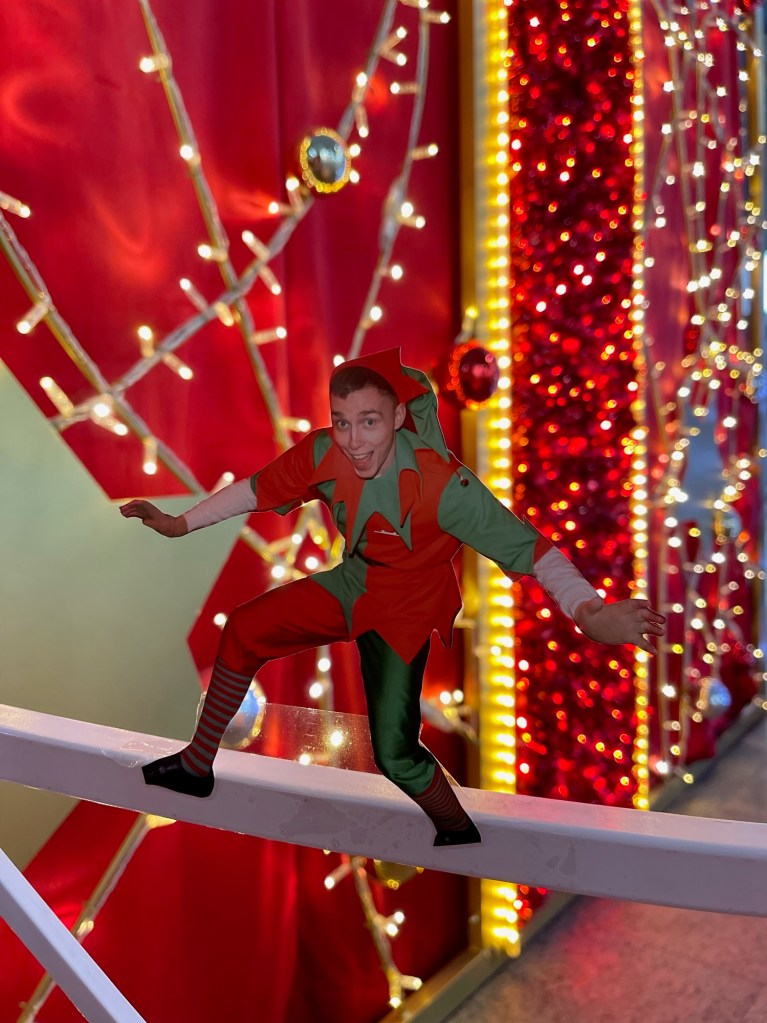
Represented in this photo above is an extreme example of grabbing customer’s attention in which still doesn’t work

This repetition happens in all types of customer service jobs. Whether you’re a cashier or an elf in a holiday grotto, you’ll find that people often ignore signs and ask the same things repeatedly.

The real challenge in customer service is staying patient and friendly despite this constant repetition. Keeping a good attitude and helping each customer, even when they ask questions with obvious answers, is what makes a great customer service worker.

Working with Santa

Who doesn’t love working with the man himself, Santa Claus? …

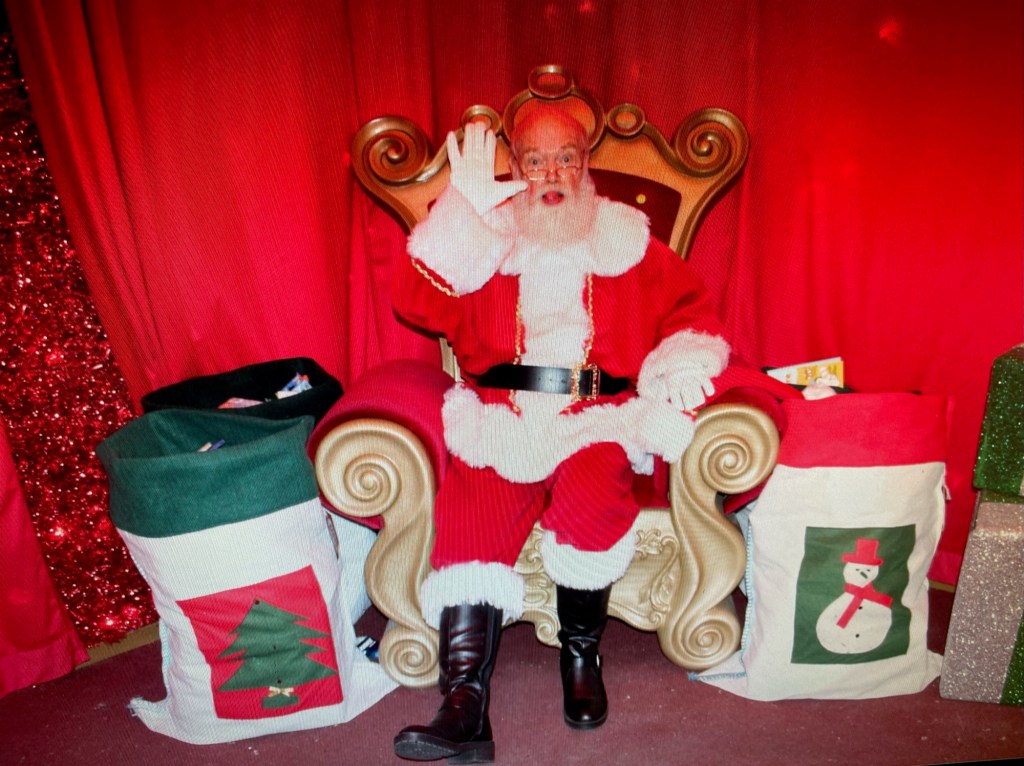
Santa has a unique way of connecting with each child, making them feel special and heard. Whether it’s listening to their wishes or giving them a reassuring hug, these small gestures have a big impact. It’s heartwarming to see shy children open up and share their thoughts, or to watch as a child’s tears turn into smiles after a gentle word from Santa.

However it saddens me to say I’ve worked with quite a few Santas over the years, and believe it or not, some of them just don’t listen to their manager! Yes, even Santa has a boss. This issue cropped up two years in a row, creating quite a bit of chaos. The line would stretch endlessly, with parents and children growing increasingly impatient.

I repeatedly stress to the Santas the importance of keeping each visit to about 3-4 minutes, especially when the line is long. Maintaining a quicker pace is crucial to ensuring everyone gets their turn without excessive waiting.

Funny Moments 

In addition to the challenges, we have some truly funny moments that, while stressful at the time, become laughable memories looking back.

A common issue in shopping centers is children wandering off or going missing. This is always a nerve-wracking experience, but it’s expected time to time. What you wouldn’t expect, however, is a group of teenagers blocking the accessible toilets with Santa trapped inside! 

Reflecting on my time working in Santa’s Grotto, I’m filled with a deep sense of gratitude and joy. The experience of working alongside Santa Claus is a unique privilege that goes far beyond simply wearing an elf costume. It’s about being part of a cherished tradition and contributing to the magic of the holiday season. 

From heartwarming encounters with children, like the girl with the teddy bear who needed a hug, to managing the chaotic atmosphere of a Grotto, every moment is filled with its own special kind of magic. The challenges we face, are all part of what makes this role so rewarding. Each day brings its own set of experiences, from spontaneous laughter captured in photos to the behind-the-scenes efforts that ensure everything runs smoothly.

Working with Santa and amazing colleagues is a blend of joy, responsibility, and occasional chaos, all of which is important in creating unforgettable memories for children and families. It’s a reminder of the impact we can have, not just through the festive cheer we provide, but also through the care and attention we bring to each interaction.

As the festive season draws nearer, it has always been a privilege to be part of the magic that makes the holidays memorable for so many, if you are wanting to audition for this festive season, I would highly recommend! My blog post “Become Santa’s Helper: The Audition Process Of A Christmas Elf” is available to read on my website.

Become Santa’s Helper: The Audition Process for a Christmas Elf

Whether you’re a seasoned elf returning for another magical year or embarking on this festive journey for the first time, I’m here to guide you every step of the way. I’ll provide you with all the information and tips you need to shine in your Christmas Grotto audition and ensure you’re fully prepared to create unforgettable holiday experiences.

How to Apply for a Temporary Christmas Season Job

Whether you’re applying for a position at an attraction, such as Lapland, at a shop, or on a farm, the journey to becoming a Christmas Elf at Santa’s Grotto typically starts with an online application, unless you’ve worked for the company before – they’ll likely reach out to you directly to see if you would like to return.

Once your application is submitted, it will be reviewed by the recruitment team, who will look for candidates with any relevant experience, such as working with children or in customer service. Successful applicants will then be invited to participate in further assessments, which may include interviews using practical exercises, such as role-playing interactions with children, improvisation skills or demonstrating problem-solving skills in a holiday setting. These types of auditions or interviews are common in entertainment and performance jobs.

During the interview process, my personal approach will be to ask a range of questions designed to understand your background and suitability for the role. These will include basic inquiries about your experience in customer service and performance, whether you have experience handling a till, and if you’ve held any positions of authority, such as a supervisory role. It’s important to note that for many, working at the Grotto may be a second part-time job or a side gig alongside university or college commitments. Therefore, you’ll need to clearly outline the specific dates and days you are available, as well as those when you are not.

Travel logistics are another key consideration, particularly if you do not have access to a car. You’ll be asked to explain how you plan to commute to and from the Grotto. Additionally, your health and well-being are crucial, so we’ll take the time to discuss any relevant health concerns that might affect your ability to perform your duties.

Please keep in mind that this is the structure of my interview process, and other companies or individuals may conduct their interviews differently. My goal is to ensure that all aspects of the role and your circumstances are thoroughly considered to create the best possible working environment.

Staff Training Days

Before starting work, you’ll go through key training sessions. One crucial aspect is learning how to interact with children effectively. You’ll be taught techniques for engaging with children, creating a warm, friendly, and patient manor. Staff learn how to handle various situations, such as calming anxious or shy children, managing excited behaviour, and encouraging them to share their Christmas wishes. Role-playing exercises help staff practice these interactions, ensuring they can respond effectively and maintain a positive experience for every child.

You’ll also learn how to maintain the festive atmosphere, creating and preserving the magical ambiance of the Grotto. This involves understanding the importance of maintaining a cheerful and enthusiastic attitude, ensuring the Grotto and surrounding settings are always in a safe condition, and actively participating in themed activities and events. Training also includes guidance on dressing appropriately in costumes, embodying the character of an elf or Santa, and using festive language and gestures to enhance the holiday spirit.

Your manager will teach you how to manage queues, handle gifts, and coordinate with other team members. You’ll learn to manage the flow of visitors, ensuring that each child has a smooth and enjoyable experience. This includes training on time management and dealing with any operational issues that may arise, such as resolving conflicts or addressing unexpected disruptions.

Five Key Tips for Aspiring Elves and Managers to Guarantee You’ll Get the Job!

1.  Show Enthusiasm: Emphasise your love for the holiday season and positive attitude in your cover letter and CV. Share examples where your cheerful attitude made a difference, whether in customer service or community events. When I interviewed for a Grotto Manager role many years ago, I highlighted my experience from Hamleys and my position as an Events Entertainer.

2. Highlight Creativity: If you have a background in arts and crafts or any creative hobbies, showcase these in your application. Elves are known for their creativity and skill in making toys and decorations. And remember, you don’t have to be a professional performer to be an Elf!

3. Communication Skills: This will be empathised in my next blog post, communication skills are essential for interacting with children and parents. Highlight any experience in roles requiring clear and friendly communication, such as retail, education, or public-facing jobs.

4. Teamwork and Reliability: Share examples from previous jobs or volunteer work where you contributed to a team’s success. Reliability and teamwork are crucial in a Grotto environment. Listening to your managers and being dependable ensures a smooth experience for guests.

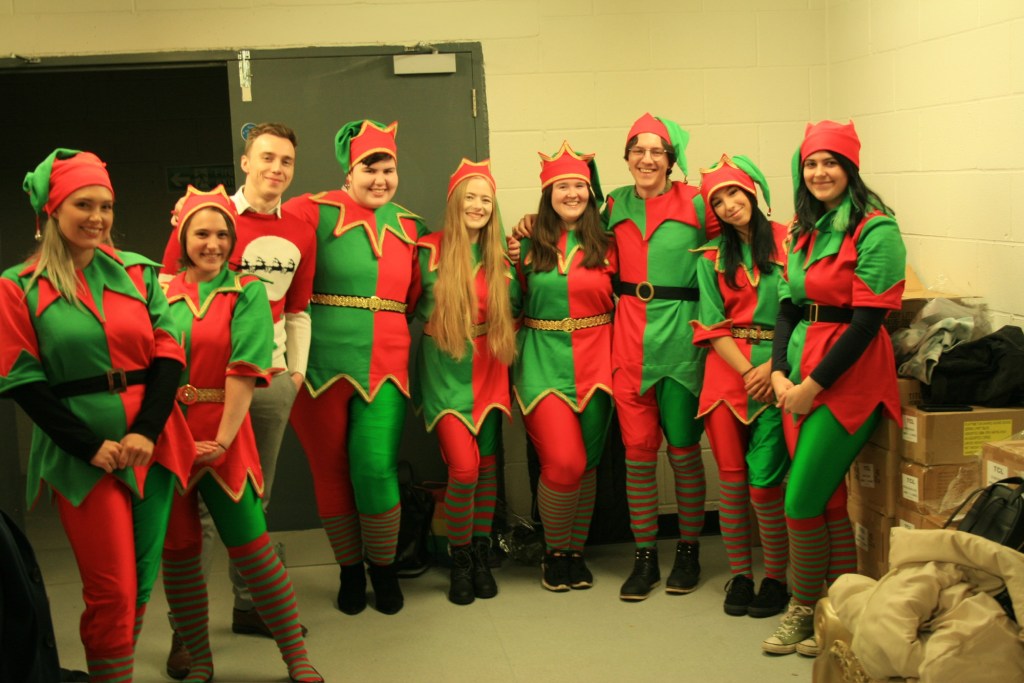
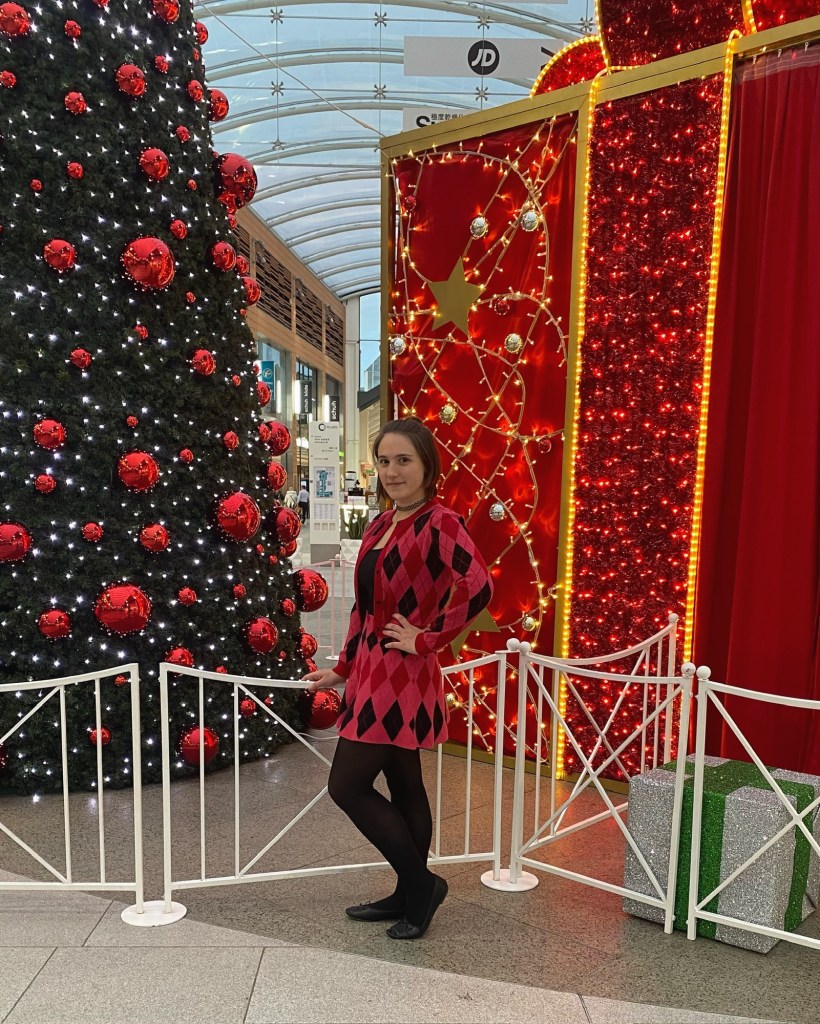
5. Dress Festively for Interviews: Stand out by dressing in festive attire for your interview. While a full elf costume might be too much, Christmas-themed accessories or colors can show your enthusiasm for the role. When I was called in, I wore bright, bold colors to stand out as shown below.

Conclusion

Working as a Christmas Elf at Santa’s Grotto is more than just a seasonal job; it’s an opportunity to create magical memories for children and families. From the initial application and interview process to the detailed training sessions, each step prepares you to deliver a joyful and enchanting experience. The role requires enthusiasm, creativity, excellent communication skills, and a team-oriented mindset.

One of my most cherished memories was from my time at Hamleys Toy Store, where I met a little girl who needed a hug and a warm smile. This experience underscored the significant impact we have as seasonal performers. We bring joy, nurture curiosity, and shape magical holiday memories for the next generation.

As you embark on your journey to become a Christmas Elf, remember the importance of each interaction and the joy you can bring to children’s lives. Whether you’re managing queues, capturing moments on camera, or simply spreading festive cheer, your role is vital in creating the magic of Christmas. So, put on your elf hat, embrace the holiday spirit, and get ready to make this festive season unforgettable for everyone who visits Santa’s Grotto!

The Audition Process: Key techniques for Scare Actors

Surprisingly, I’ve received a lot of direct messages inquiring about the audition process for becoming a scare actor. Many people are seeking advice, guidance, and detailed information on how to apply and what to expect. So, let’s explore the audition process for a scare attraction in more detail and discuss how you, as an actor can enhance your performance.

Every scream park has its own unique approach to casting performers. However, they will likely look for certain qualities in every audition: confidence, unpredictability, commitment, teamwork, creativity, the ability to handle intense situations, and enthusiasm.

As I recently shared with a fellow actor, I believe the most crucial aspect of scare acting is taking advantage of your unique attributes. This means having a deep understanding of yourself – your voice, your body, your characteristics – and recognising what you can bring to the performance. By honing in on these personal strengths, you can create a more authentic and compelling scare experience.

Developing a backstory for your character is an essential part of this process. By crafting a detailed history, motivations, and personality traits for your character, you can infuse your performance with depth and consistency. This backstory not only helps you embody the character more fully but also guides your interactions with guests, making each scare more personalised and impactful.

My multiple personalities

For instance, I worked in an attraction last year that was themed like a prison, my backstory that I had created for my character was a prisoner who had been driven to the edge of sanity by years of isolation. Positioned in a dimly lit corner, I began the performance on the floor, slowly rising to my feet as guests approached. My character, desperate for human interaction, had an unsettling curiosity towards the guests. I would get unnervingly close to them, invading their personal space, whispering directly into their ears. As they moved through the attraction, I would follow closely, my gaze locked onto theirs, creating a unsettling and immersive experience. This approach drew guests deeper into the narrative of the prison, making them feel as though they were truly being stalked by a deranged inmate.

(For those who have read my other blog post, this is Fortress – I was moved to a different section for this particular character)

Physicality

When it comes to physicality, make the most of your height, build, fitness levels, and flexibility, but always prioritise your safety. Don’t attempt stunts or movements that you’re not trained for; leave those to the professionals, like contortionists, dancers, and gymnasts. There are plenty of other effective ways to use your body to scare without risking injury.

Physicality in scare acting involves more than just movement – it’s about using your entire body to evoke fear and suspense. This includes how you walk, stand, gesture, and facial expressions. Effective physicality also involves mastering spatial awareness – knowing how to approach your guests.

For instance, being 4’11” gives me an advantage. While my height might not be intimidating on its own, one effective approach I use is getting down on the floor and crawling towards guests. This unexpected movement from a lower vantage point adds an element of surprise and vulnerability, creating a more intense scare experience. It allows me to get closer to guests in a way that feels invasive and unnerving, heightening their sense of unease.

This role also requires stamina to sustain intense performances throughout the attraction’s operational hours. My outgoing personality and active nature allows me to incorporate sudden movements into my character followed by eerie stillness, demonstrating both energy and enthusiasm during auditions.

Vocal Range

Vocalisation is often overlooked in scare parks, but it’s a crucial aspect of performance. I know many outstanding actors and actresses who expertly use their voices to enhance their scares. Your voice can significantly influence your physical performance as well. If you have a loud voice, you can use it to assert authority and intimidate guests. Conversely, if you have a quieter, more subtle voice like mine, you can use that to your advantage too. While I don’t have a traditionally “scary voice,” I possess a unique vocal attribute that is equally unsettling. Over the years, if you’ve been lucky enough to hear it I’m very good at laughing like Catherine Tate’s character Grandma, which often lands me roles in settings like haunted hospitals.

Effective vocalisation requires control over tone and pitch. When incorporating my laugh into my performance, I focus on using dynamics effectively. From a distance, I laugh loudly to draw attention and unsettle guests. Up close, I switch to a whisper laugh directly in their ear for an intimate scare. If you’re not naturally loud, embrace whispering and growls as powerful tools. Additionally, I find that breathing softly in people’s ears or on their necks can be incredibly effective and satisfying, adding an extra layer of discomfort and fear.

Group Dynamics

If you’ve had the chance to read my previous blog titled “Life as a Scare Actor – Psychology Of Fear,” which I highly recommend if you haven’t already, I discuss my past experiences in various attractions. A recurring theme in my scare tactics involves working closely with fellow actors and actresses to maximise the effectiveness of our scares. Teamwork plays a vital role in this industry, benefiting both the guests and our behind-the-scenes operations. Communication and collaboration among colleagues are crucial. These skills demonstrate your ability to function effectively as part of a team while also showcasing your capability to work independently when needed.

If you’ve already worked in a scare attraction, you’re likely familiar with the presence of on-site attraction leaders who oversee actor safety and security. These leaders maintain direct communication with higher-ups to handle emergencies swiftly and effectively. This highlights the critical role of communication in our line of work.

Unfortunately, actors and actresses often encounter verbal and sometimes physical abuse from guests, requiring us to pause performances when faced with disrespectful behavior. While this job isn’t easy, it’s essential for the well-being of fellow performers to report any incidents – no matter how minor or significant – to attraction leaders. This ensures appropriate action such as escorting disruptive guests out or closely monitoring their behaviour.

I cannot emphasise enough how crucial it is to remain vigilant and alert in this industry. This awareness is also a quality that auditions often look for in potential scare actors.

Feedback

Openness to feedback is crucial for success in any audition, including scare actor roles. Embracing feedback demonstrates a willingness to grow, adapt, and refine your craft. Ultimately, incorporating feedback into your audition process empowers you to evolve as an actor and deliver compelling, authentic performances that leave a lasting impression.

In conclusion, the audition process for scare attractions provides a unique opportunity to showcase your creativity, courage, and professionalism. It’s a chance to master techniques, embodying characters that thrill and unsettle, utilising all available tools – from your voice and physicality to teamwork and adaptability. Each audition is a platform to demonstrate your unique talents and commitment to the craft.

Wishing all aspiring scare actors the best of luck during this fright-filled audition season! If anyone has any questions don’t hesitate to get in touch.


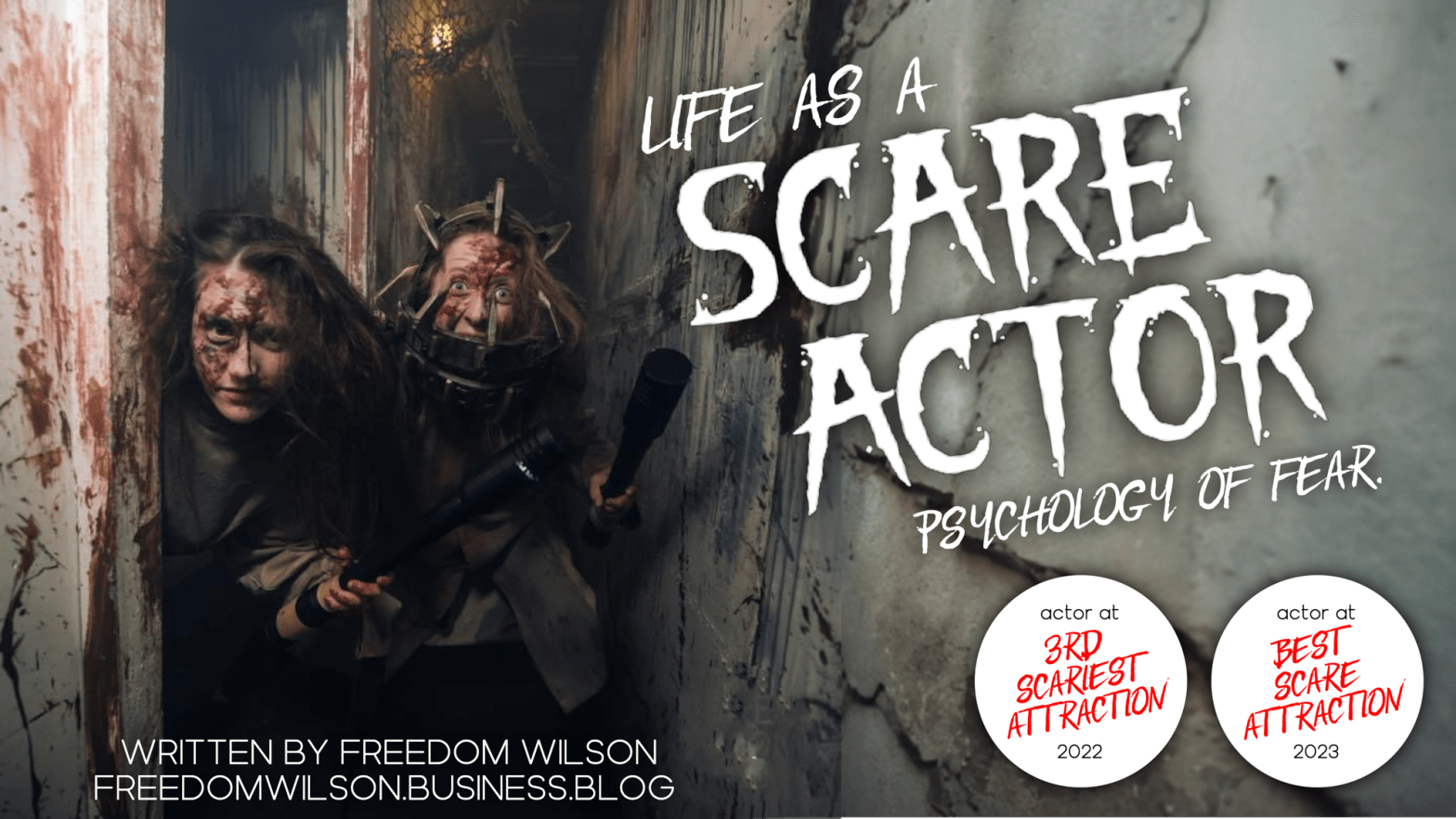
If you’re intrigued by the art of scare acting and want to delve deeper into advanced techniques and the psychology of fear, I encourage you to read my other blog post. I discuss in-depth strategies for creating immersive and chilling experiences as a scare actor. Understanding the psychology behind what makes people frightened and how to manipulate those emotions is crucial. It goes beyond just jumping out and yelling; it’s about timing, body language, and creating an atmosphere that gets under the skin of your audience. So, if you’re passionate about refining your scare skills and learning more about the intricate dynamics of fear, check out my blog post “Life as a Scare Actor – Psychology Of Fear” for valuable insights and techniques to elevate your performances.

Life as a Scare Actor – Psychology Of Fear

If you believed that Scare Actors/Actresses have effortless and straightforward jobs, you were mistaken. Being a fright performer involves a wide range of fear-inducing techniques, of which is grasping the psychological aspects of fear to deliver an effective scare. A psychological approach to fear is often overlooked. While some may think that actors at scare parks simply jump out and reset, for a select few, including myself, their mission is to deeply unsettle visitors at the scare attraction, immersing them in a psychological experience. In this passage, I’ll be guiding you through my journey as a scare actor and emphasise the demanding and challenging nature of this job.

This role can be effortless when you approach it with simplicity. But to truly comprehend fear, one must closely watch people’s responses. It’s not just the screams that induce fear in guests; there are numerous other reactions. The fundamental aspect of fear psychology revolves around customers recognition of a perceived threat, whether real or imagined, which initiates a cascade of reactions within the mind and body. This includes the activation of the fight-or-flight response, characterised by the release of stress hormones like adrenaline and heightened heart rate and alertness.

Among the most frequent reactions at a scream park is nervous laughter, where you may find yourself chuckling, laughing loudly to persuade others that you’re anything but scared, when, in truth, you’re deeply unsettled. Customers with tense hunched shoulders often indicate they’ve just had a prior encounter. They inhabit a heightened awareness of their surroundings and are attentive for the next scare. Some even avoid making eye contact, understanding that meeting your eyes will lead to regret.

Unpredictability is crucial for every guest, causing them to underestimate the situation and the chances of a surprise. One primary technique employed by scare performers is the art of diverting attention or misdirection. For instance, I was stationed in a junkyard filled with discarded, wrecked cars. My jump scare involved leaping out of a van, which might seem simple, it was rather predictable given that the van’s door was wide open. Fortunately, I collaborated with another actor for this particular scare. He would be stationed on the floor to the left hand side while my van was on the right, leading visitors to navigate around him. As their attention is diverted away from the van onto the other actor they are completely overlooking the wide-open van with someone inside. Timing is the key for success here, allowing you to frighten the entire group if you’re fortunate. It demands patience and precision.

Now, you might wonder, ‘How does this work with just one person?’ It’s simple. Without the extra person, their focus is drawn toward the van. So, when they glance to their right into the van, that’s precisely when I’m right in front of them when they turn their head forward or to that effect.

Continuing the story in Junkyard, I’d like to introduce another aspect into the conversation – what I like to refer to as “going that extra mile”. Imagine the scenario I just described and consider how the guests are reacting. It depends on the guests, so let’s focus on those with tense shoulders and nervous laughter, like the example I mentioned earlier. Suppose they’ve already been startled by the actor in the other van ahead of ours, their shoulders are hunched or they are smiling, they’re walking cautiously and they feel exposed. Deliberately, I would take my time. They spot the other actor doing nothing on the floor so their shoulders begin to ease, and they regain their composure. This is the pinnacle moment to strike.

To then “go that extra mile” with these individuals, I would exit the van and follow along next to them as they head towards the chainsaw. It might not sound like much, just walking beside them, but after they’ve already been frightened, that’s when they’re at their most vulnerable and fearful. Their deeply rooted mindset is that once they have scared me, they have opened a gateway to scare me again, making them believe that the performance artists possess the capability to do anything. Often guests may say phrases like “leave me alone” or “stop” – for future reference, if you say this to a performer they will never leave you alone.

Another instance of ‘going the extra mile’ took place in Fortress, which resembled a prison. I portrayed a character known as Sack Head, yes I did have a full sack over my head. With this character I consistently pushed the boundaries. Placed on an electric chair, the potential for the electric chair scene was vast, involving vibrations, screams, and more. However, I portrayed this character as highly dynamic and theatrical.

As customers came around the corner, they’d come upon me resting on the chair, following eye contact with them as they moved, uncertain if I was a real person. Unpredictably, I would rise and stride toward the barrier in front of me, with immediate scares. But I took it ‘the extra mile.’ Guests often assumed one scare was sufficient, but when they were about to exit, I came toward them. Witnessing me approaching, that’s when they’d start running and screaming. 

What if you can’t induce fear in someone? It’s a rare occurrence, most commonly with men, but there are alternative methods to terrify beyond the classic jump-scare and vocal approach. You can make them feel uncomfortable in themselves and their surroundings. Yes this is possible, it’s known as psychological mind games.

An instance of this arose during one of my auditions. Lacking any costume, mask, hair, or makeup, I crept toward a man on all fours towards his genitalia, just using my hands, knees and slight contortion, significantly similar to the ring characteristic. This alone made him uncomfortable due to my gender and resemblance to a figure already associated with fear. When costume, mask, hair, and makeup come into play, it’s a whole different experience. No one knows your gender; they just assume. In such situations, the most effective approach involves using your eyes. Regardless of your height compared to theirs, communicate with your gaze. People aren’t accustomed to being stared at or followed around every day, so you can turn this to your advantage. If you perform your role effectively, you might even witness tears. Even when you feel like giving up on a single guest, “going the extra mile” for 1-3 minutes will leave them uncomfortable, believe me.

In addition to yourself and fellow artists to interact with, another crucial aspect to consider is your environment, including lighting, visuals, smell, props, room layout, attraction design, and illusions. My favourite experience with these elements was in The Paradise Foundation. In this scenario, I portrayed a deranged mental patient armed with a taser, and the setting included a maze room, smoke machines, flashing lights, alarms, and one exit.

Positioned in the back room, we made the most of our surroundings to play with people’s minds. Given the maze-like layout of the room, I persistently took it ‘the extra mile.’ I deliberately chased individuals through the maze and blocking the exit to prevent anyone from escaping. I was so effective at keeping people ‘hostage’ that they would often wander around in circles up to three times or more. At certain points, there would be up to 60 people in the maze at once. When they finally reached the exit, I would unleash a cackling voice, shouting, “This way, that way, forwards, backwards.”. Frequently leading to episodes of panic, tears, urination, and vocal distress.

Theming is a crucial role in an attraction, demanding a firm grasp of the storyline and characters, unwavering commitment to the theme, and boundless energy. Beyond the actors, as previously mentioned, the layout is paramount. It should incorporate phobias such as claustrophobia, arachnophobia (fear of spiders), acrophobia (fear of heights), coulrophobia (fear of clowns), nyctophobia (fear of the dark), trypophobia (fear of clustered holes), hemophobia (fear of blood), thanatophobia (fear of death), automatonophobia (fear of humanoid figures or mannequins), ophidiophobia (fear of snakes), and necrophobia (fear of corpses or dead things).

Leveraging these phobias and fears effectively enhances the scare factor in attractions. The most prevalent among these for such events are claustrophobia, nyctophobia, coulrophobia and hemophobia.

Each visitor to a scream attraction elicits various responses, as I previously mentioned. Unfortunately this job entails encountering violence, such as guests screaming in the faces of scare artists for fun, attempting to physically engage with us, causing disruptions, and subjecting us to verbal abuse. If you deliberately attempt to engage with an actor or actress in an offensive way or reveal their hiding spots purposefully, it is extremely disrespectful. In such instances, performers often break character and refuse to perform. Guests who are considerate and respectful behind such individuals may have an unsatisfying experience because of their thoughtless actions and behaviour.

Fright performers, just like any other professionals, come from diverse backgrounds. Some engage in this for the enjoyment, while others, including myself, rely on it as a means to earn a livelihood through seasonal work in places like scare parks. Scare work involves more than just startling guests, despite what customers think. It’s crucial to treat them with kindness and respect during the spooky season. These talented individuals are paid to give you a thrilling experience, not to endure verbal abuse or physical harm. Remember, they are human beings, so show them nothing but love and appreciation.

Design a site like this with WordPress.com
Get started